QuickLinks


The nose is one common problem area for many people. Whether you have a bump you want to be smoothed out, are struggling with a deviated septum, or simply want a nose more proportional to the rest of your face, you are not alone.
That’s where we come in at Dr. Andrews Plastic Surgery. Dr. Andrews can address all these concerns and more with a customized rhinoplasty procedure.
What is Rhinoplasty?
A rhinoplasty, often referred to as a nose job, is a procedure used to reshape the nose, making it more proportional with the rest of the face. It can also address any structural issues that may be impairing your breathing. Nose reshaping combines functional plastic and reconstructive surgery, often improving both appearance and airflow at the same time. Its size and shape can also significantly impact the look of other facial features. This is why it is important that you consult with a surgeon who is board-certified and has the necessary experience in aesthetic surgery, like Dr. Andrews.
The surgical procedure can adjust the width of the bridge, change the size and shape of the nostrils, remove humps or depressions in the bridge, reshape the nasal tip, and address any nasal asymmetry. Patients with wide or flared nostrils can have the base of the nose narrowed, and patients whose nasal septum, the dividing wall of bone and cartilage between the two air passages, is bent or displaced can have it straightened at the same time.
There is no single rhinoplasty technique that suits every individual patient. Dr. Andrews tailors the plan to your nasal structure, the thickness of your skin, and the desired shape you have in mind, using one of two surgical approaches.
Open Rhinoplasty
In an open rhinoplasty, small incisions are made inside the nostrils and connected by a short incision across the columella, the narrow vertical strip of tissue that separates the nostrils. This allows the skin to be lifted so the entire framework of cartilage and nasal bone is fully visible during surgery.
That direct view gives the surgeon the greatest precision, which is why the open approach is often chosen for more complex cases, significant tip work, cartilage grafting, and revision surgery. The trade-off is a small external scar beneath the nose, though in practice the visible scarring is minimal and typically fades into the natural shadow of the nostrils within several months.
Closed Rhinoplasty
In a closed rhinoplasty, every incision is placed inside the nose. There is no external incision at all, which means little bleeding and swelling, a shorter recovery, and no visible scarring whatsoever. The closed technique works well for patients who need bridge refinement, hump reduction, or narrowing of the nasal bone rather than extensive reshaping of the tip. Nasal septum deviation can also be addressed for patients experiencing breathing problems.
Who is a Good Candidate for Rhinoplasty?
Some of the qualifications that make someone a good candidate for rhinoplasty include:
- Your facial growth is complete
- You are in generally good health
- You’re a nonsmoker
- You have realistic expectations
- You have a positive outlook
- You have issues with the size and shape of your nose, or you’re having problems breathing due to your internal nasal structure.
During your consultation, Dr. Andrews will look over your medical history, medications, and concerns and then determine if it’s the right procedure for you. It is just as important to choose the right surgeon. Rhinoplasty is widely considered one of the most technically demanding procedures in all of aesthetic surgery, so look for a board-certified cosmetic surgeon with extensive experience in nasal work and review before-and-after photos of previous rhinoplasty patients. An expert facial plastic surgeon like Dr. Andrews can explain exactly what they plan to change and what they cannot realistically change about your nose. Rhinoplasty can also be performed with other head and neck surgery procedures for dramatic facial rejuvenation.
The Rhinoplasty Procedure
Before your surgery, Dr. Andrews will discuss whether an open or closed rhinoplasty is the best option for you. On the day of surgery, general anesthesia or IV sedation will be administered. Very limited procedures are occasionally performed under local anesthesia with sedation, and Dr. Andrews will review which option is appropriate for your case.
The necessary incisions will be made, bone and cartilage may be removed, the nasal bone may be narrowed or repositioned, and when necessary, additional cartilage can be added with cartilage grafts taken from the septum or, less often, the ear or rib.
If you have a deviated septum, Dr. Andrews will straighten the septum and reduce the projections in the nose to open the air passages and help with your breathing. Patients who came in for cosmetic reasons are often surprised by how much easier breathing becomes afterward, and patients who came in for breathing difficulties are often just as pleased with the improvement in facial balance.
Once all the changes have been made, the skin will be redraped over the nose (in an open rhinoplasty), and the incisions will be closed. Soft plastic splints are sometimes placed inside the nostrils to stabilize the septum, and nasal packing may be used to control bleeding. The surgery can take anywhere from one to three hours, and it is an outpatient procedure, so you will not spend the night.
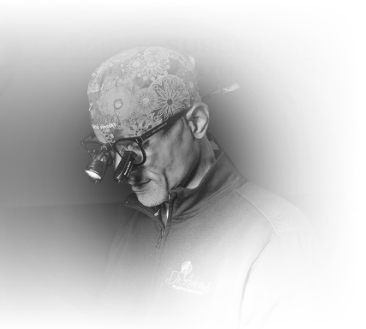
DR. KAHLIL ANDREWS
Dr. Kahlil Andrews is a board-certified plastic surgeon from Los Angeles specializing in plastic, cosmetic and reconstructive surgery.
At his location in Coralville, Iowa, Dr. Andrews’ academic and technical achievements are only exceeded by his commitment to patient care. Whether they are seeking reconstructive breast surgery, outpatient injectable treatment, or a full-blown mommy makeover, Dr. Andrews gives his full attention and focus on achieving excellent patient outcomes.
MEET DR. ANDREWSRecovery
During your rhinoplasty recovery, a splint and/or packing may be placed inside your nose, and another splint and/or bandages will be placed on the outside to support and protect the new structure while it heals. You will be able to go home the same day, but someone will need to drive you. You will likely have some swelling, bruising, and discomfort, with bruising around the eyes at its worst in the first few days before it begins to fade.
Some of the swelling will go down in the first few weeks after surgery, but it can take up to a year for all the swelling to go down. During that time, you will notice small changes to your nose as the new shape settles and the final results become more apparent. The tip is generally the last area to fully refine.
Dr. Andrews will give you specific instructions on how to care for your incisions, what pain medication you can take to ease discomfort, and when to schedule follow-up appointments. Following your surgeon’s instructions closely is the single best thing you can do to protect your result.
After surgery, you’ll want to rest as much as possible with your head elevated to reduce the bleeding and swelling. The bandages may come off one to seven days after surgery, and the splint usually comes off after a week. Any nasal packing is typically removed within the first few days.
In the first week following surgery, you’ll also want to avoid physical activities and blowing your nose. You will also need to take baths instead of showers and avoid smiling and laughing. Additionally, you’ll want to stick to clothes you don’t pull over your head. Most patients feel comfortable returning to work or school after about a week to ten days, though strenuous exercise and contact sports need to wait several weeks. Keep the nose protected from the sun, and hold off on glasses resting on the bridge until Dr. Andrews clears you.
Testimonials
“

Schedule A Consultation
Have you always wanted to change the shape of your nose? Why wait any longer? Schedule a consultation at Dr. Andrews Plastic Surgery today! Dr. Andrews will listen to your concerns and goals, examine the structure of your nose, and then build a customized treatment plan for you.
Start enjoying what you see when you look in the mirror! Schedule a consultation at our Coralville, IA office by calling us at (319) 800-6877 or using our online scheduling form.