Buccal fat removal has become a popular procedure with celebrities looking to highlight their bone structure and lose some facial fullness. But this procedure is not just for celebrities. Anyone wanting to trim down excess facial roundness and improve facial aesthetics can benefit from the cosmetic procedure.
What is Buccal Fat Pad Removal?
Buccal fat is the fat pad between your cheekbones and jawbone that helps make up the shape of the face. It accentuates the facial contours and gives the face a more youthful appearance, but some people may have excess fat cells that give them the look of chubby cheeks, even if they are at a healthy body weight. For those with more buccal fat in this area, buccal fat removal can be an effective surgery. Removing the fat can often highlight the cheekbones, cheek hollows, and overall facial bone structure, which is why this is sometimes called cheek reduction surgery. It can be performed alone or with other cosmetic procedures like chin liposuction to further accentuate the facial contours.
Who is a Good Candidate For Buccal Fat Removal?
There are some qualifications that make some people better candidates than others. These qualifications include:
- Having roundness in the cheeks
- Being in generally good health and a stable weight
- Not having any medical conditions that could interfere with the healing process
- Having realistic expectations
- Having a positive outlook
You may not be a good candidate for buccal fat removal if your face is narrow or if your face doesn’t have enough fullness. Those with loose or sagging skin may find that the removal of fat tissue worsens the look of their skin, so a combination of skin tightening procedures may be recommended in addition to the buccal fat removal. Dr. Andrews will review your medical history, examine the treatment area, and discuss your results to determine whether you are a suitable candidate for this surgical procedure.
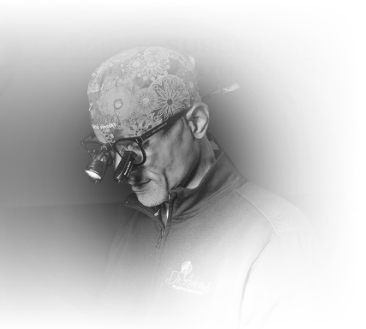
DR. KAHLIL ANDREWS
Dr. Kahlil Andrews is a board-certified plastic surgeon from Los Angeles specializing in plastic, cosmetic and reconstructive surgery.
At his location in Coralville, Iowa, Dr. Andrews’ academic and technical achievements are only exceeded by his commitment to patient care. Whether they are seeking reconstructive breast surgery, outpatient injectable treatment, or a full-blown mommy makeover, Dr. Andrews gives his full attention and focus on achieving excellent patient outcomes.
MEET DR. ANDREWSThe Buccal Fat Removal Procedure
Buccal fat removal is considered a minimally invasive procedure that can be performed under local anesthesia or general anesthesia, depending on your comfort level. Once you are comfortable and prepared for surgery, Dr. Andrews will then make a small incision inside the mouth on both sides of the face to expose the buccal fat pads. He will then cut and remove the unwanted fat. From there, he will close the incisions with sutures.
Recovery
After the procedure, Dr. Andrews will explain how to take care of your incisions. He may even provide a mouthwash to help with healing and prevent an infection. You will also need to be on a liquid diet for the first one to two days to ensure you start healing properly. Follow-up appointments will be scheduled to monitor your recovery and ensure proper healing.
You will likely see some mild to moderate swelling and bruising around the incisions, but these will diminish as you heal. The total recovery time is generally three weeks, but it may take a few months for the swelling to fully disappear and for you to see your final results. Because incisions are made inside the mouth, there are no visible scars, so you can confidently enjoy your newly sculpted cheeks with natural-looking results.
Schedule A Consultation
Are you struggling with too much fullness in your lower cheeks? Dr. Andrews can remove this fat quickly and easily, ensuring you receive the results you’re looking for.
To schedule a consultation, call our Coralville, IA office today at (319) 800-6877 or use our online contact form. Dr. Andrews will address your questions and concerns, perform a physical exam, and then build a treatment plan suited to your needs.